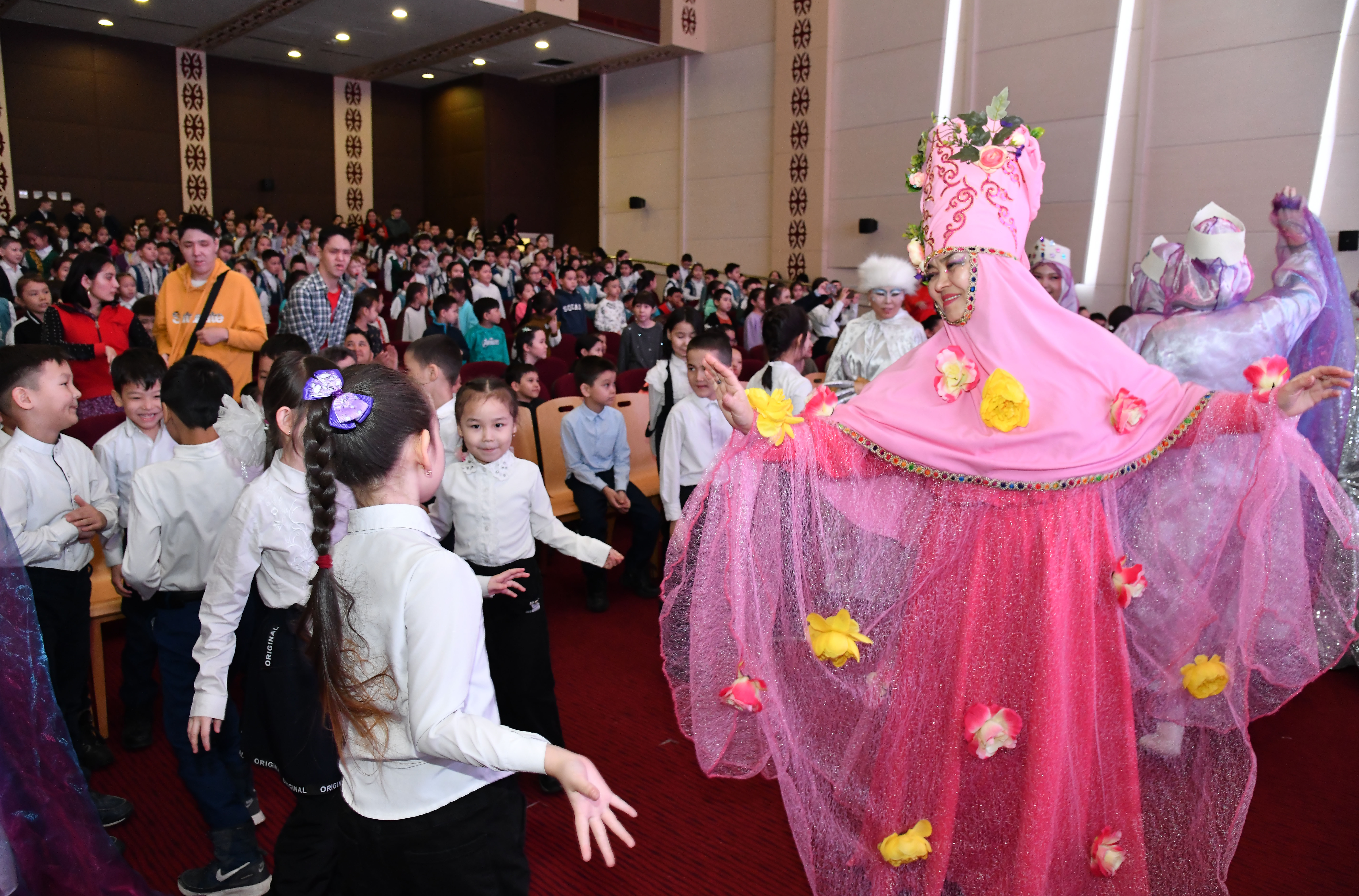
One of the key areas of activity of the National Museum of the Republic of Kazakhstan is museum pedagogy, which is implemented by the Department of Museum Pedagogy and Children’s Creativity. In accordance with its Regulations, the main objectives of the Department include organizing and implementing museum-based educational projects, programs, and museum clubs; developing historical thinking skills, patriotic awareness, and spiritual and moral culture among children and adolescents; and fostering children’s creative abilities. The projects are designed for various age groups of children and youth, taking into account the psychophysiological, emotional, and socio-psychological characteristics of each age group. The Department maintains close cooperation with educational organizations and institutions in the city of Astana.
The Department conducts a wide range of cultural and educational activities, including museum lessons, interactive museum quests, educational and interactive programs, excursions, lectures, round tables, online quizzes, and themed evenings. These activities are implemented within the framework of cultural and educational projects such as “A School Day at the Museum”, “Tarikhi Tulğalar”, “Shanyraq”, “Asemdikke Qushtarlyq”, “Entertaining Ethnography”, the student club “Dana” and the social project “Meirim”. In addition, the museum art studio “Painting and Graphics” and the club “Planet of Handicrafts” operate under the Department.
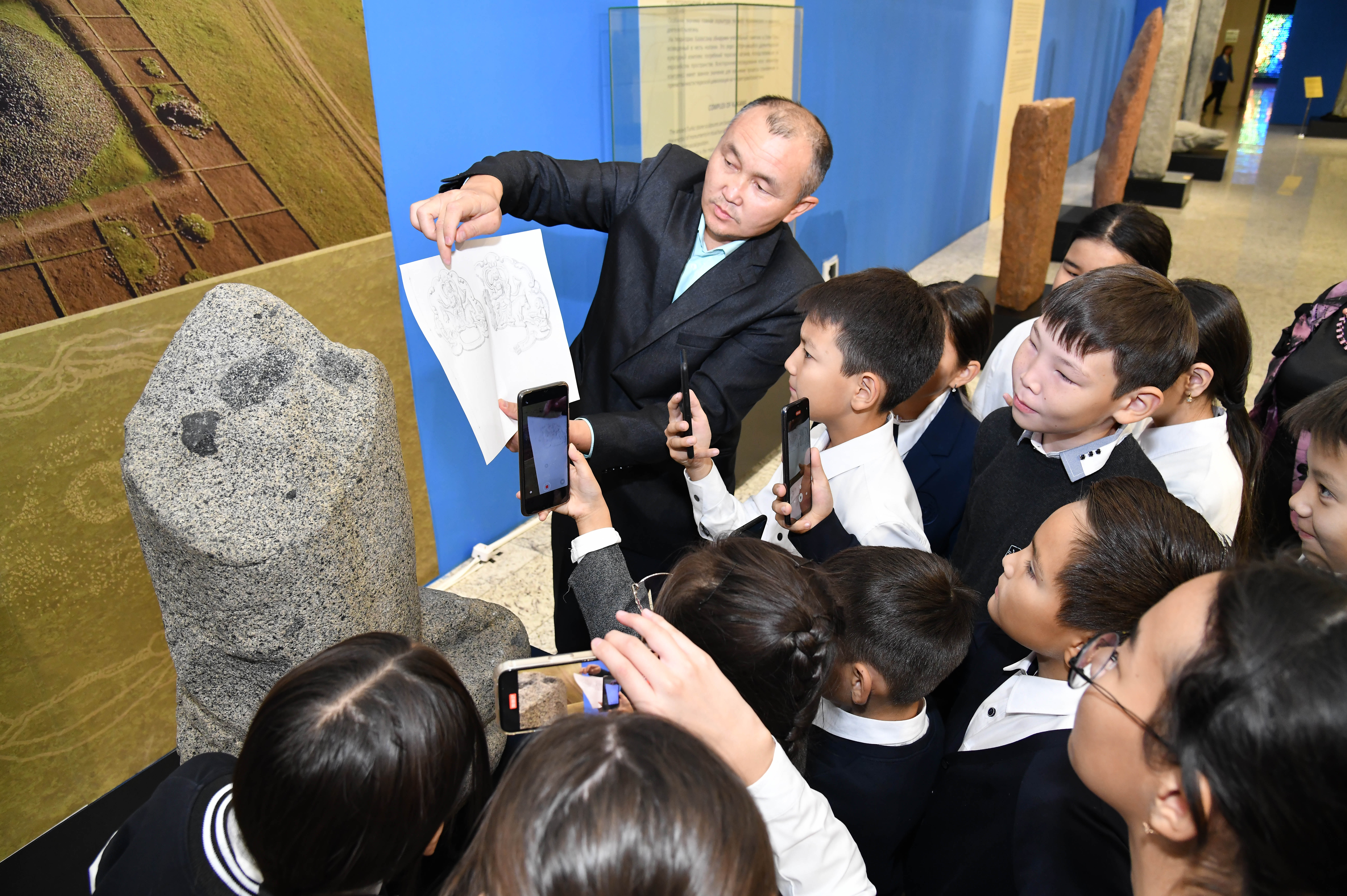
Project “A School Day at the Museum”. This project is aimed at reinforcing the theoretical knowledge of students in grades 5-9 in the subject History of Kazakhstan through the use of exhibits from the collections of the National Museum of the Republic of Kazakhstan. Lessons are held in the museum’s exhibition halls. Leading specialists of the National Museum, together with history teachers from secondary schools in Astana, conduct interactive lessons. During the lessons, students can become more closely acquainted with the exhibits and handle replicas of artifacts. Applications for lessons must be submitted at least 7 calendar days in advance. Lessons are held every Thursday, with two sessions scheduled before and after lunch.
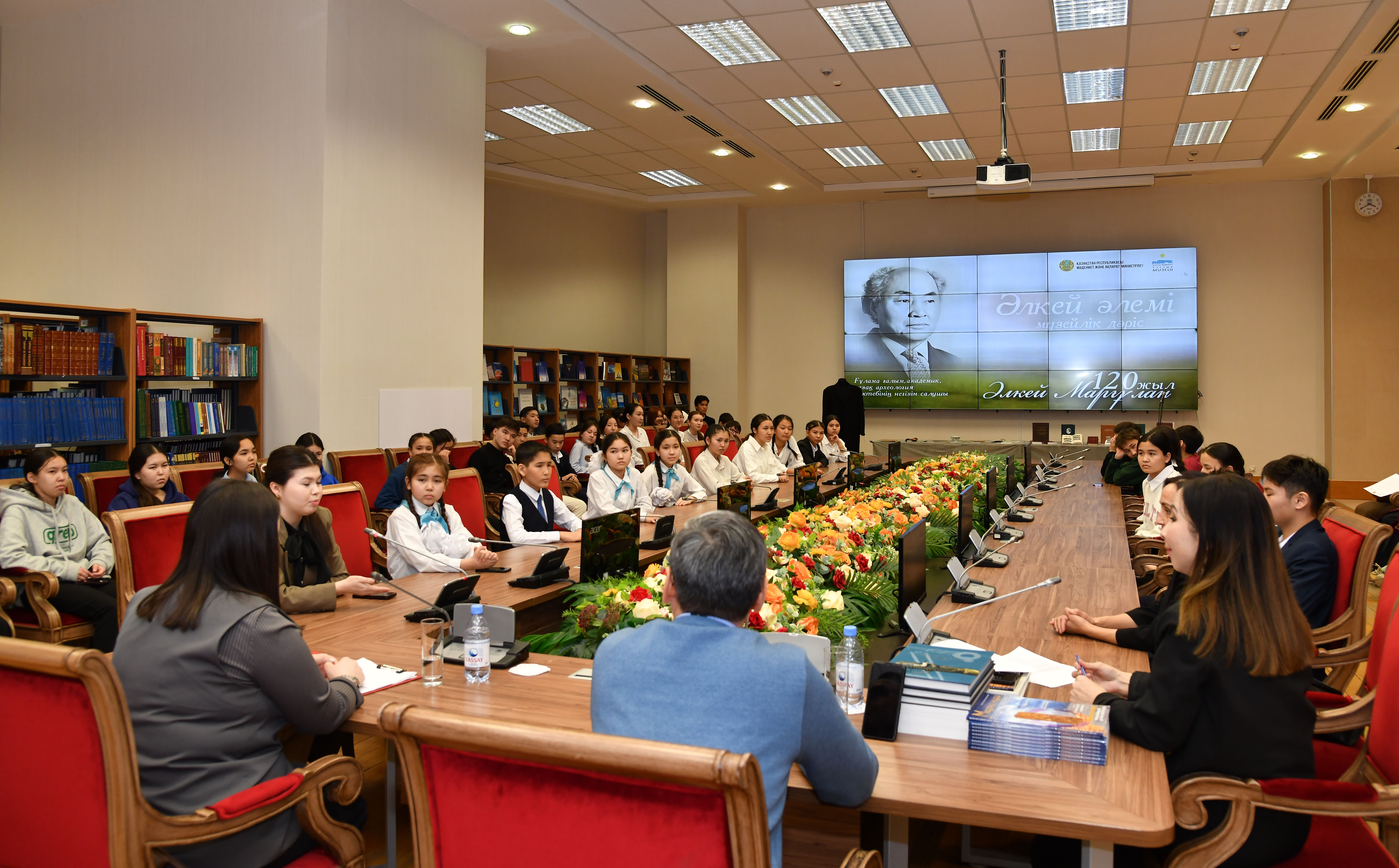
Project “Tarikhi Tulgalar”. This project is designed for adults and schoolchildren. Its goals and objectives include introducing participants to outstanding personalities of Kazakhstan and their legacy; fostering patriotism through examples of the heroic deeds of the Kazakh people; studying and popularizing museum exhibits; and forming a value-based attitude toward the history and culture of Kazakhstan. Event formats include museum lessons, meetings, poetry evenings, lectures, and more.
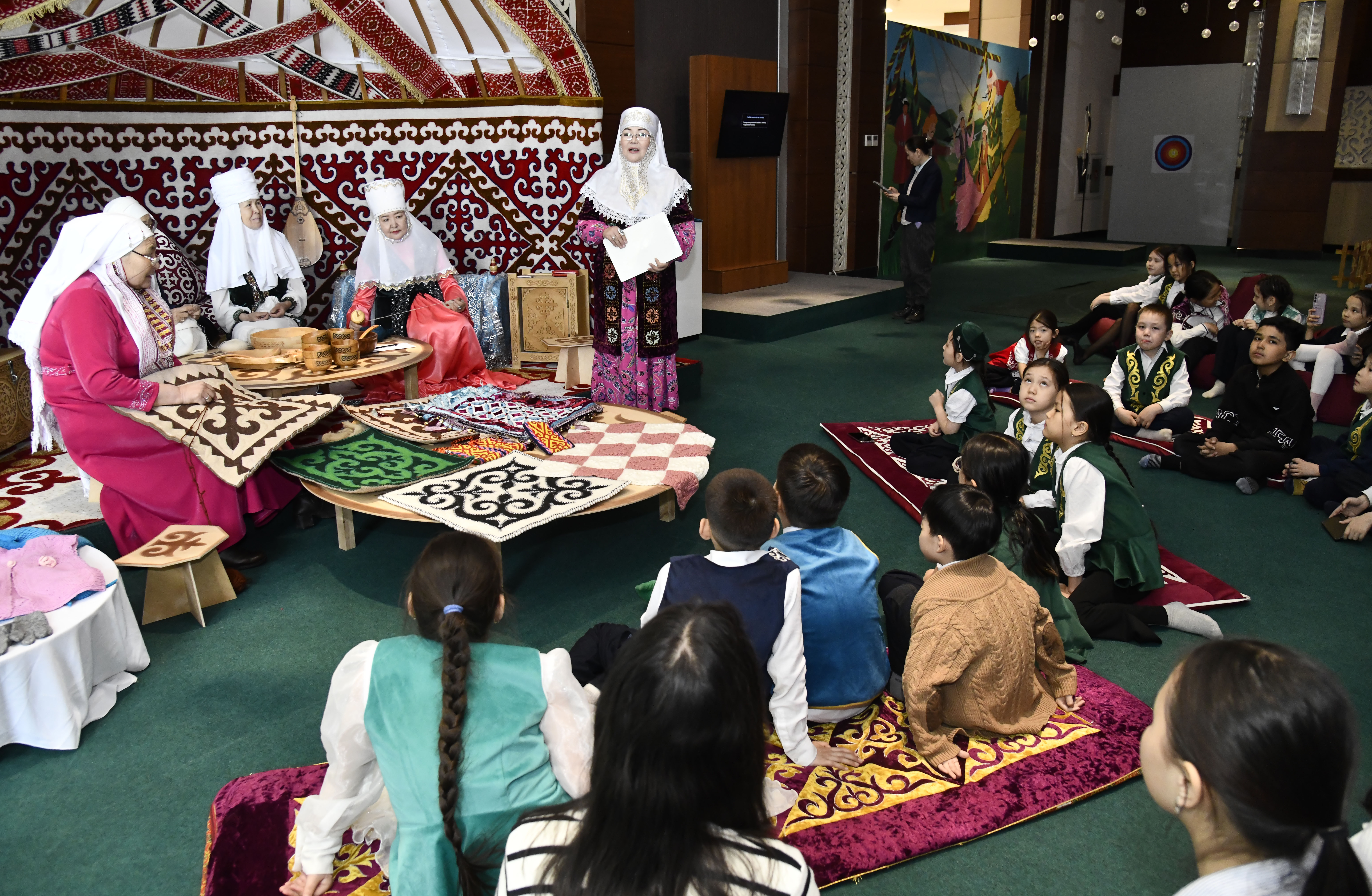
Project “Shanyraq”. The goals and objectives of the project are to foster interest in the history, customs, and traditions of the Kazakh people and to broaden participants’ intellectual horizons. Event formats include museum lessons, quests, game-based lessons, and others.
Project “Asemdikke Qushtarlyq”. This project is intended for schoolchildren of various age groups and aims to nurture socially active and creative individuals who are able to understand and appreciate the surrounding world and nature and to treat it with care. It also focuses on developing aesthetic perception and creative potential among the younger generation. Event formats include museum lessons, meetings, master classes, and more.
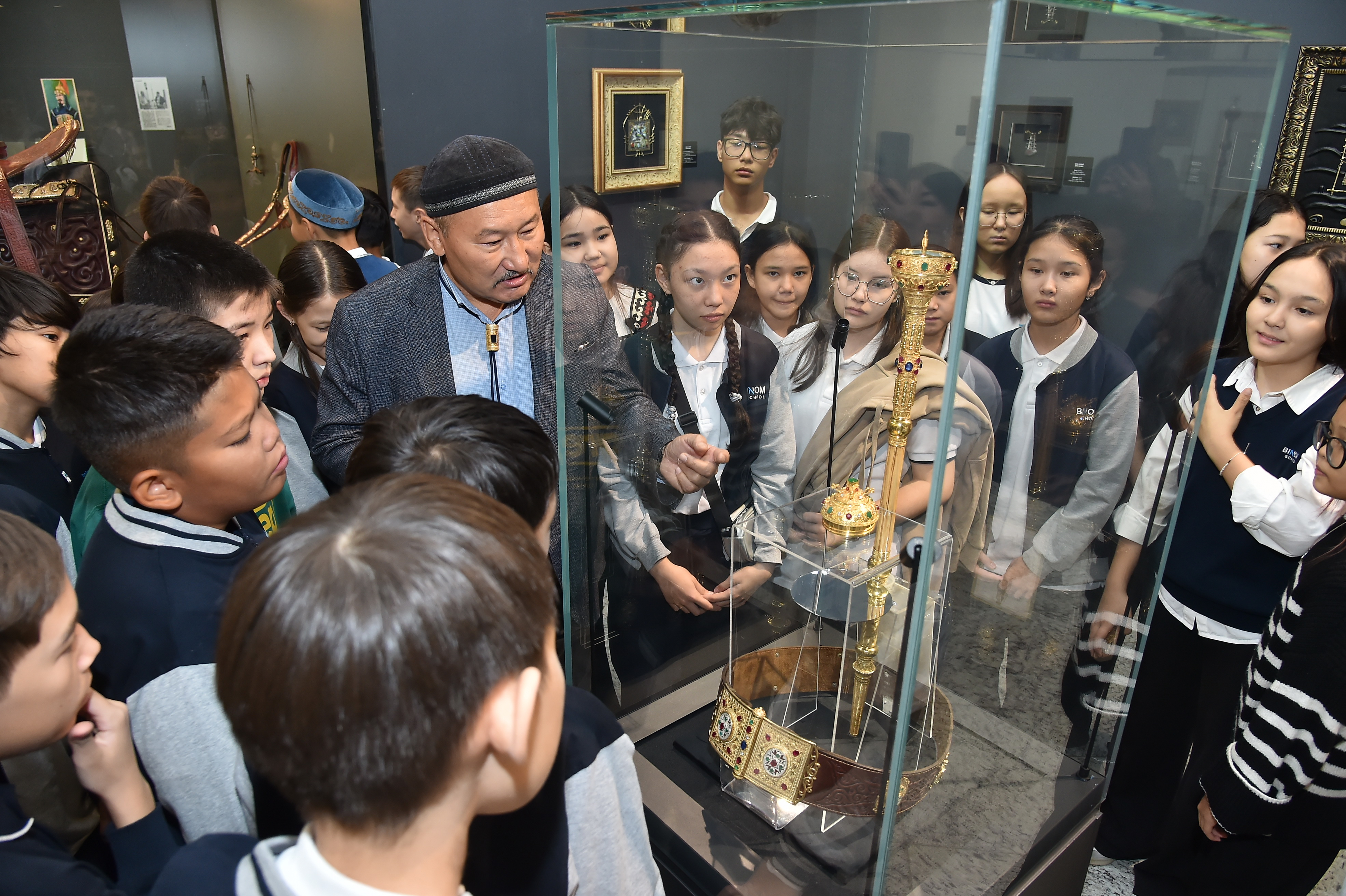
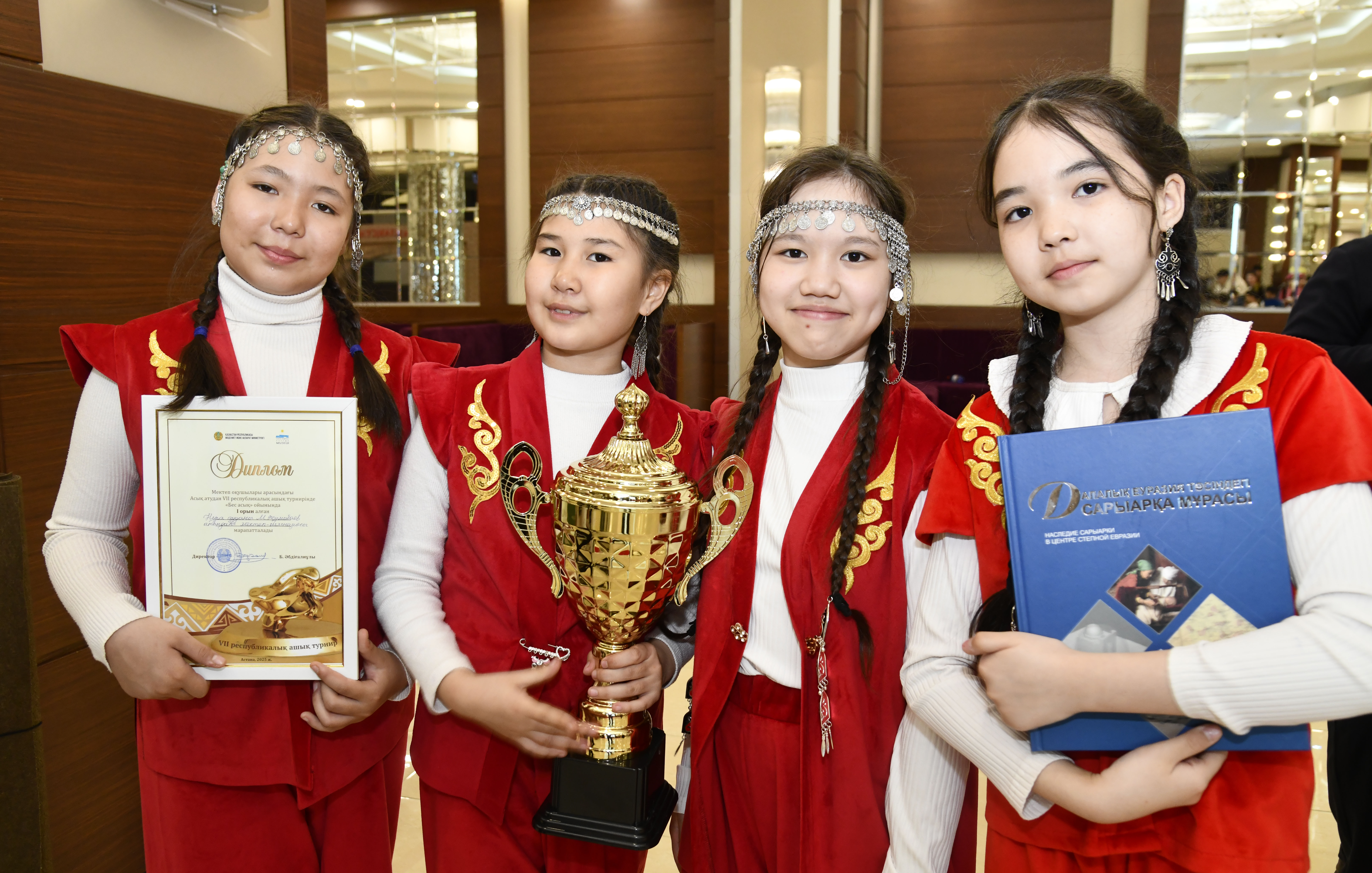
Project “Dana”. This project is designed for students of higher and secondary specialized educational institutions, as well as senior school students. The goal of the project is to popularize cultural heritage through creative presentation, enhance knowledge of culture and art, foster a sense of national patriotism and aesthetic education among young people, and reveal and develop creative and communication skills. Event formats include museum lessons, quests, and game-based lessons.
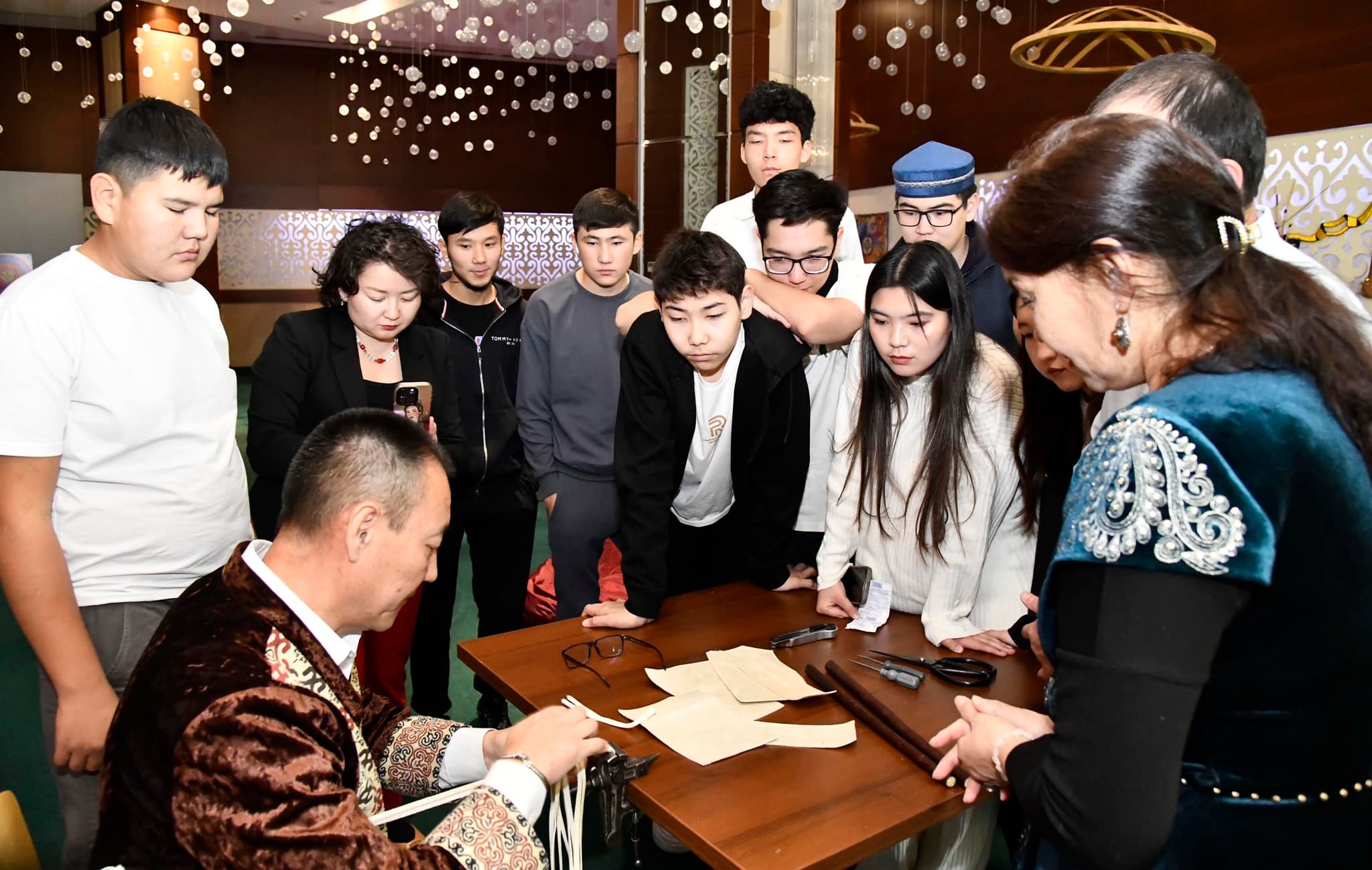
Project “Entertaining Ethnography”. This project provides museum visitors with the opportunity to explore the culture of the peoples of the Republic of Kazakhstan in an interactive format, participate in national games and rituals, and observe various traditions.
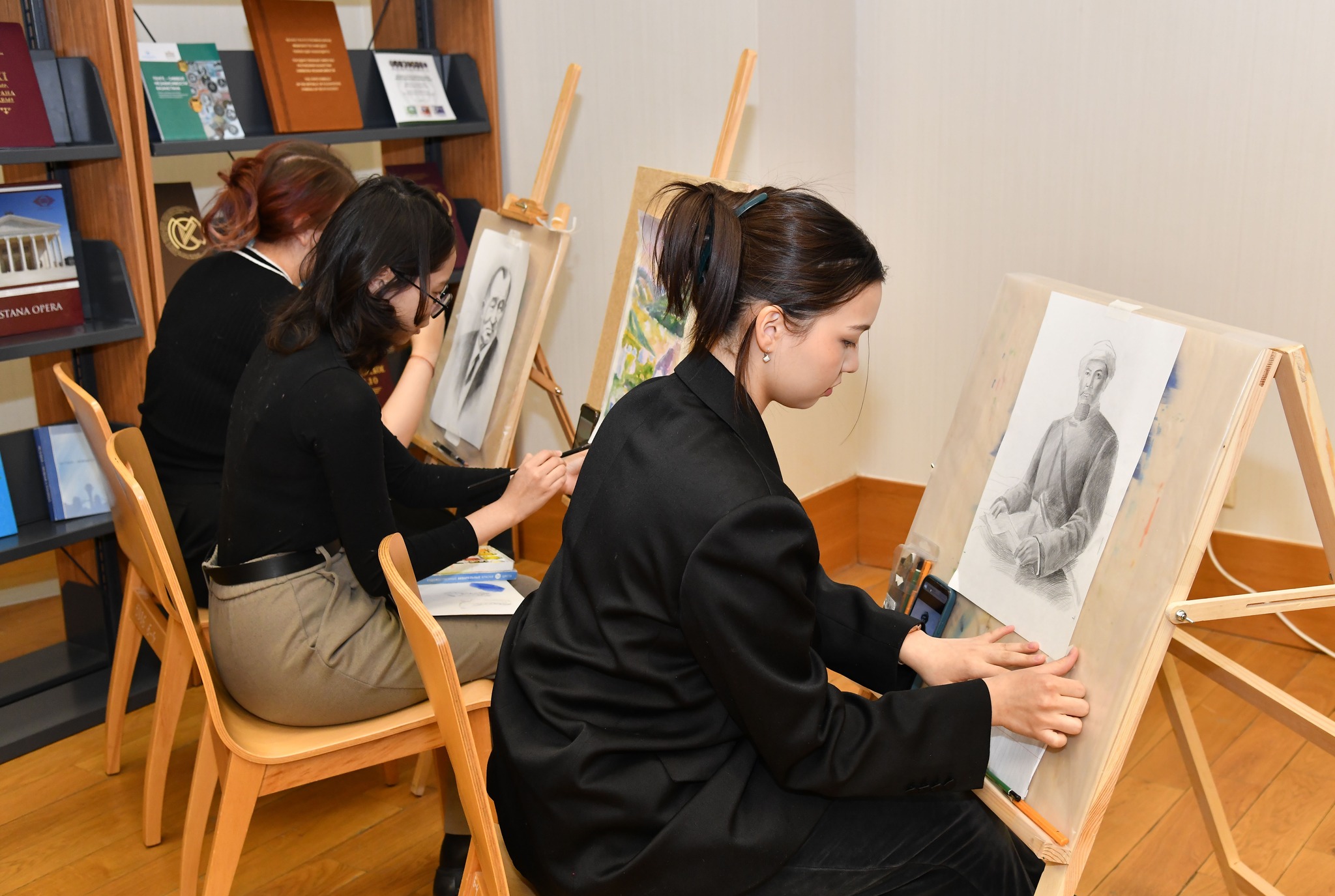
Club “Painting and Graphics”:
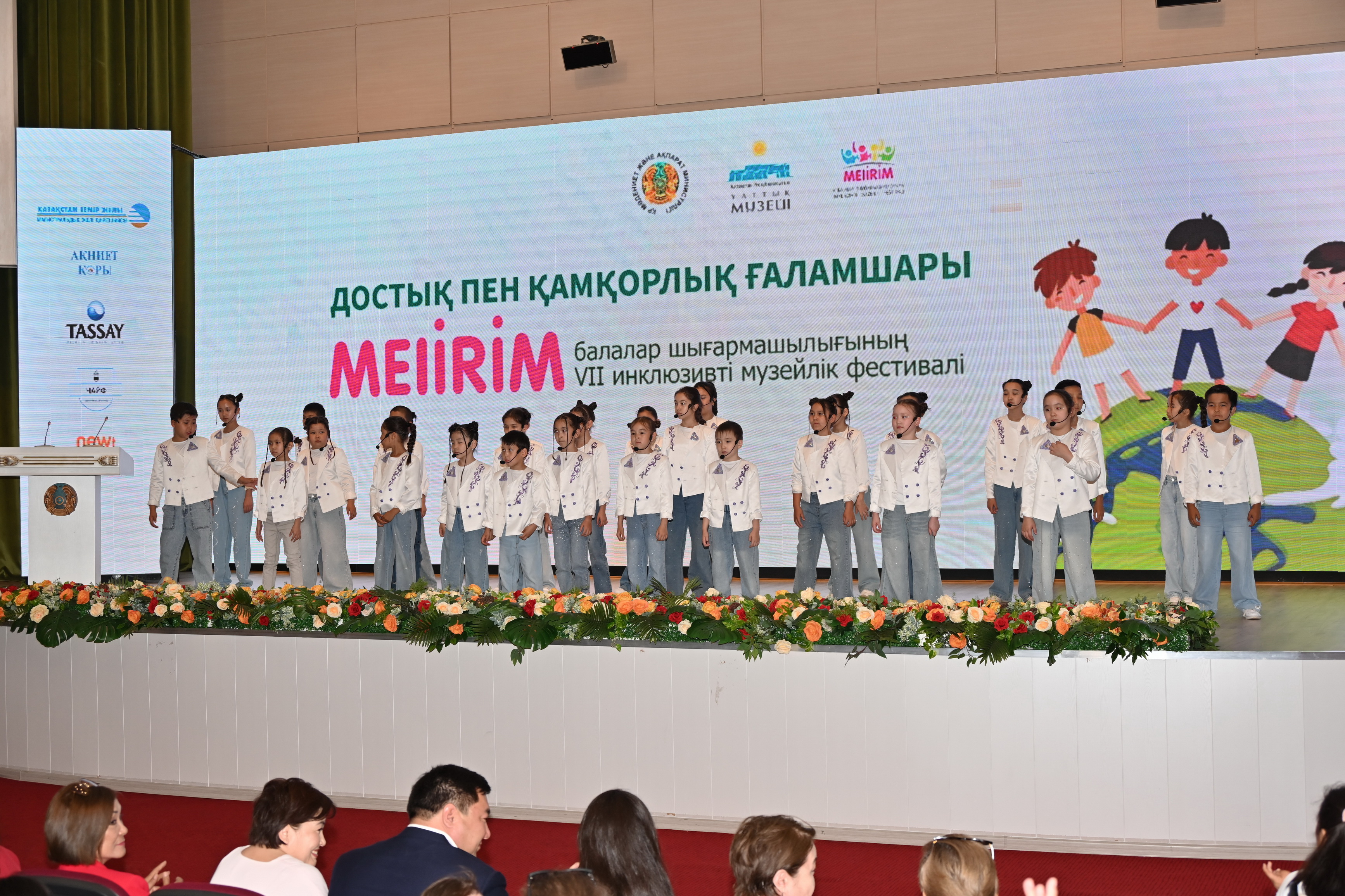
Social Project “Meirim”. Since 2017, the Department of Museum Pedagogy and Children’s Creativity has been implementing the social project “Meirim”. Its goals are to help museum visitors with disabilities engage with the cultural values of Kazakhstan and other countries through the museum’s educational environment, broaden their horizons, stimulate the development of imagination and creative abilities, and provide opportunities for leisure activities.
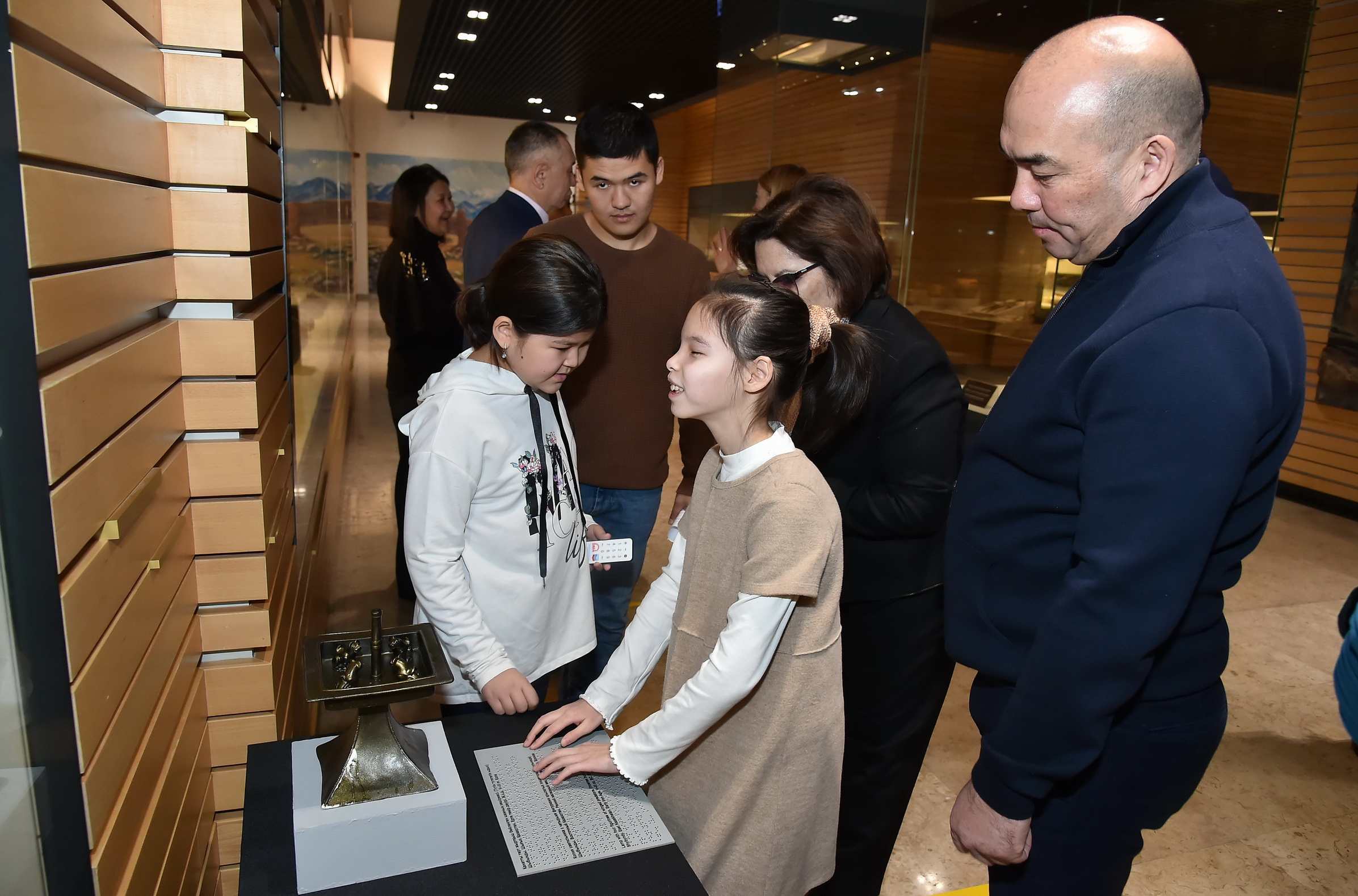
Within this project, the Department works in the field of inclusive pedagogy by involving children with special educational needs and their peers in joint activities. Cultural and educational events are conducted using specialized methodologies that take into account children’s diagnoses and the specific needs of each audience. Sign language interpreters are invited, and texts printed in Braille are used. As part of the “Meirim” social project, the museum annually hosts an inclusive festival for children with disabilities. In 2025, the 7th Inclusive Museum Festival of Children’s Creativity “Meirim”, titled “The Planet of Friendship and Care”, was held. The festival aims to enhance the creative potential of children with special needs, promote their independent living in an inclusive society, and develop their talents and cultural identity. The festivals are held in the format of educational master classes.
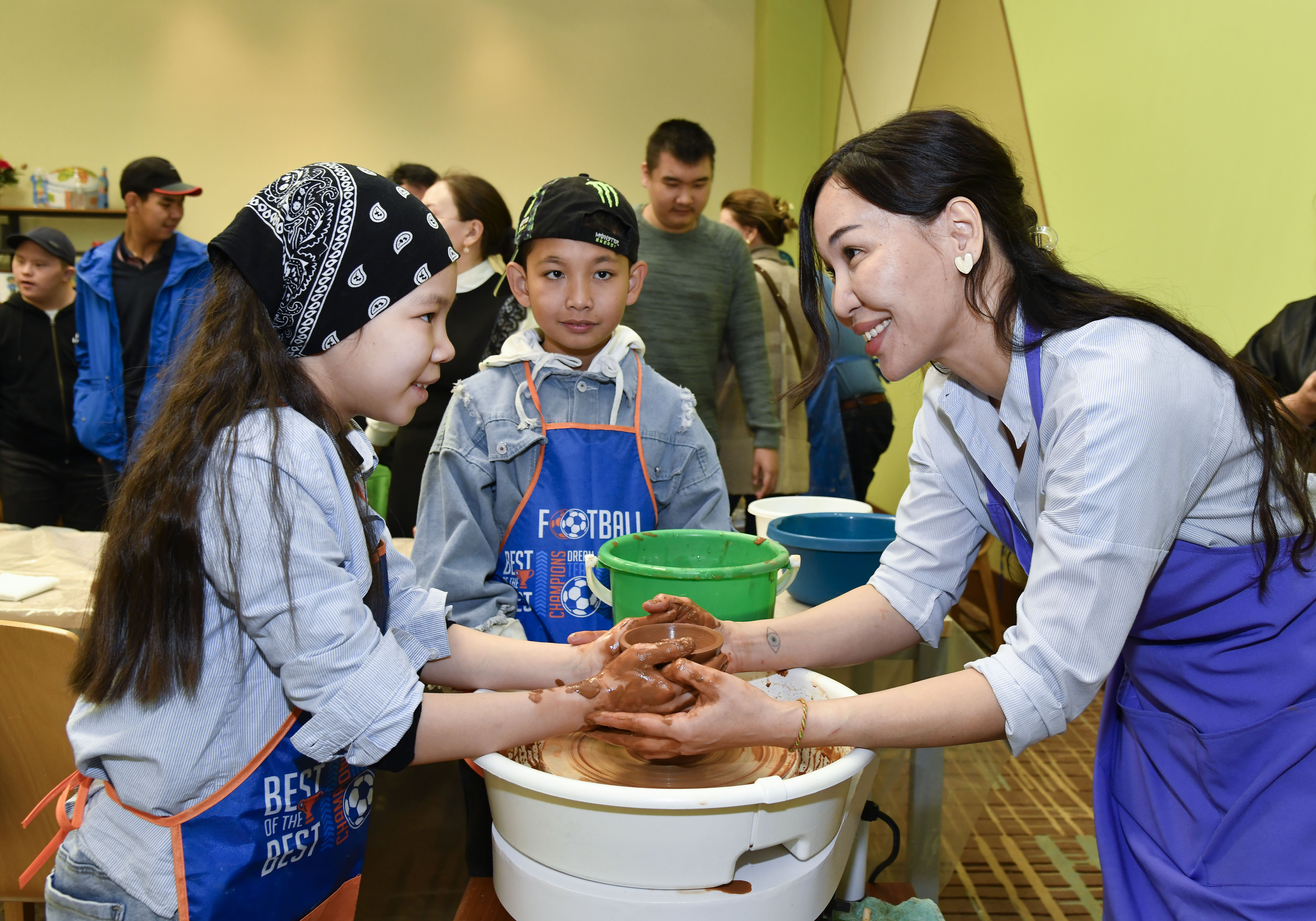
Club “Planet of Handicrafts”. This club is aimed at expanding opportunities for the social adaptation of children with special needs. Activities include plasticine painting, mixed media art techniques, embroidery, and more. The goal of the club is to prepare children for independent life in an inclusive society, foster patience and tolerance, and create an inclusive creative environment for them.
Project “Accessible Museum: Cultural Heritage for All”. Within the exhibition, visitors with visual impairments can explore tactile models of museum exhibits by touch. They can also listen to professionally recorded audio guides providing information about the interior and exterior of the halls of the National Museum. In addition, visitors with hearing impairments can explore the exhibition halls and exhibits through video materials accompanied by sign language interpretation.
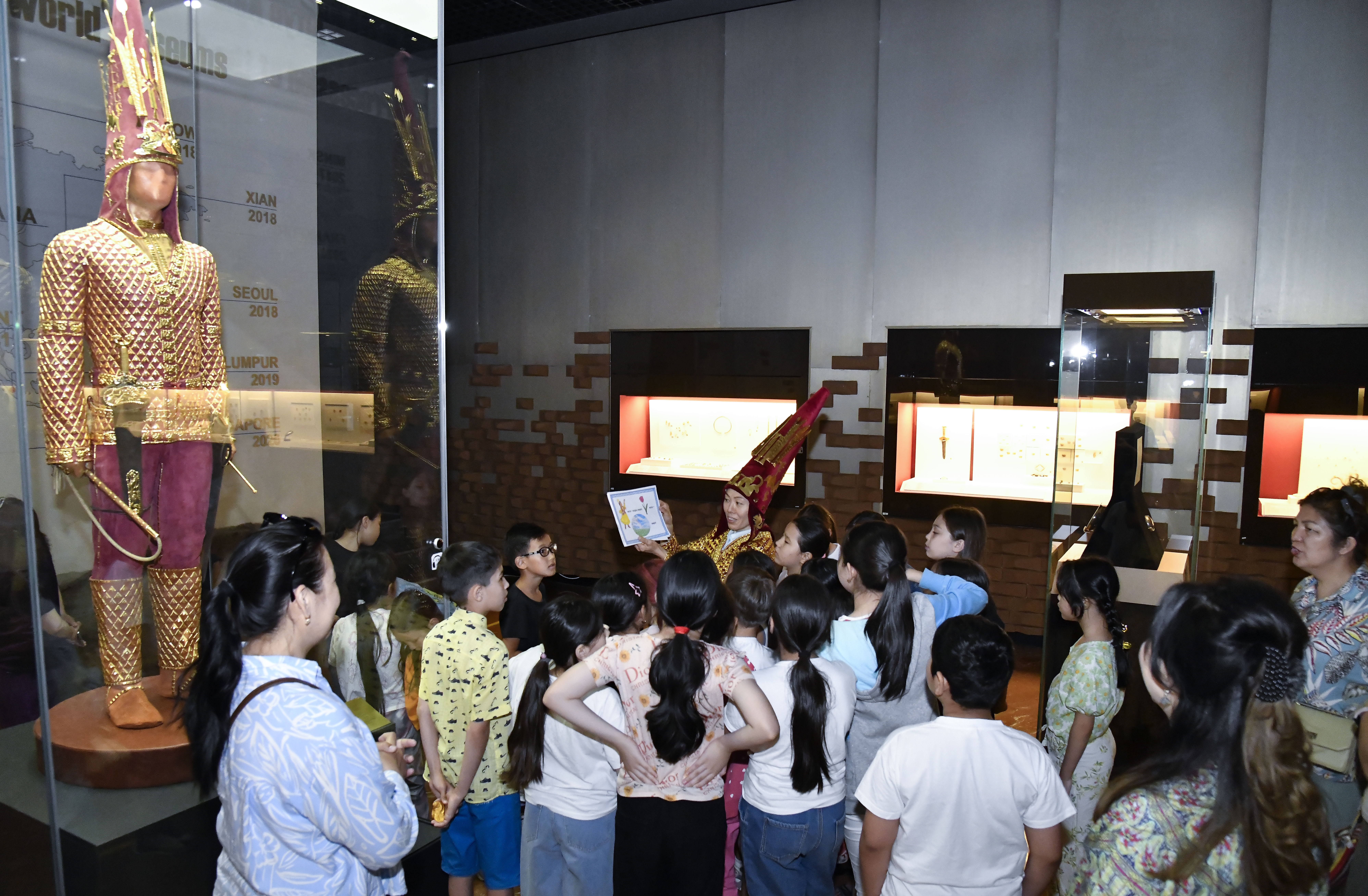
Project “Museum Holidays”. The goal and objectives of the project are to popularize the historical and cultural heritage of Kazakhstan, foster interest in museums, engage students in culture through interactive educational excursions, games, and hands-on activities as part of organizing children’s summer leisure, and promote the development of patriotic, moral values and kindness among children.
Museum Matinees. Each year, the National Museum of the Republic of Kazakhstan traditionally hosts children’s matinees dedicated to the Nauryz holiday. These events feature theatrical performances by museum staff, built around engaging and entertaining storylines.