The National Museum hosted a round table entitled «Poles in Kazakhstan: History and Memory», marking the 90th anniversary of the deportation of Poles to Kazakhstan.
The event focused on the causes and course of the deportation of ethnic Poles to the territory of Kazakhstan in the 1930s and 1940s, their lives in a new environment, their historical destinies, and the place of their experiences in the memory of subsequent generations. The participants also discussed current Kazakhstan-Poland relations and prospects for cultural and humanitarian cooperation.
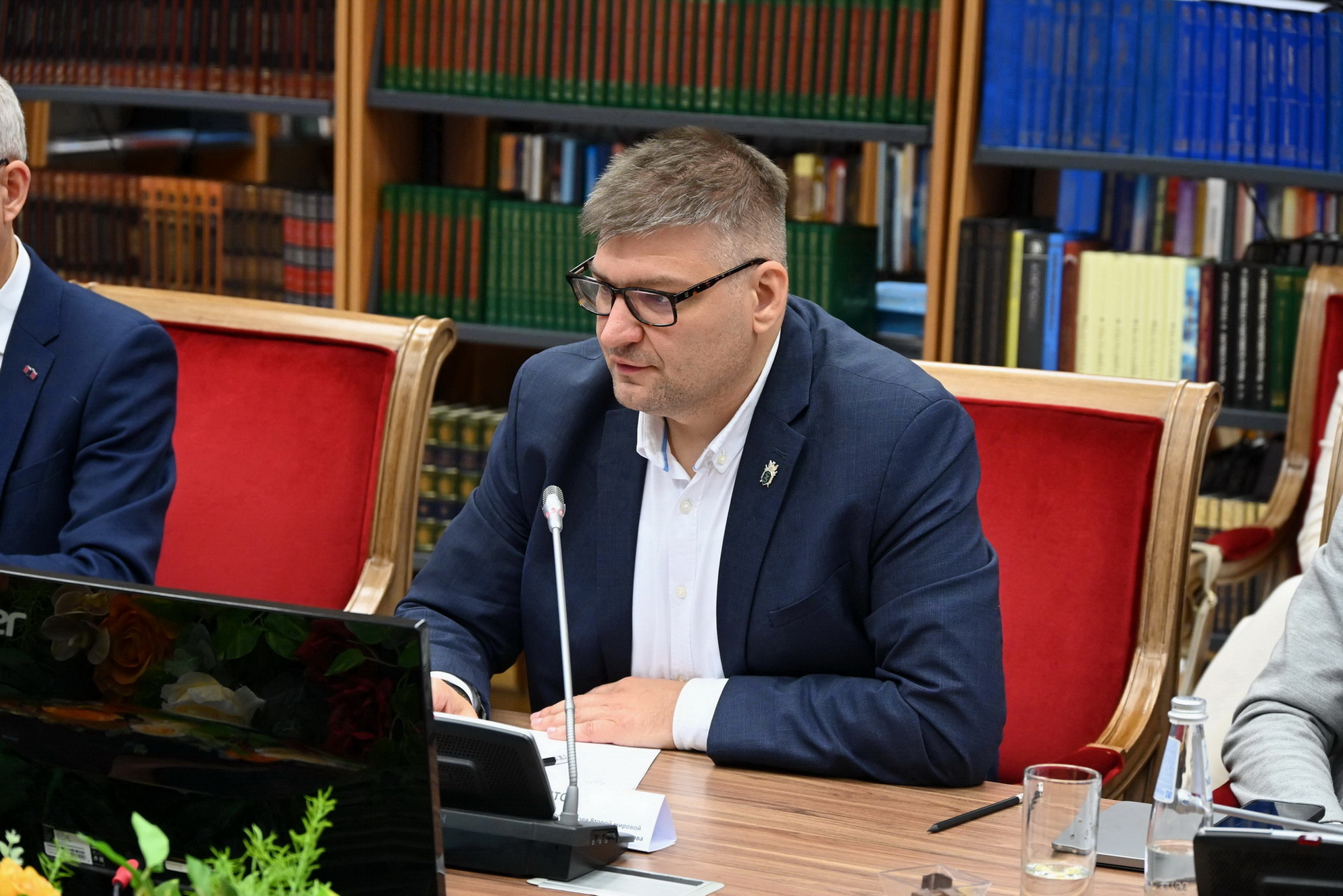
The speakers included Akmaral Ibrayeva, Deputy Director of the National Museum for Research; Michał Łabenda, Chargé d’Affaires of the Republic of Poland in Kazakhstan; Janusz Marszalec, Deputy Director of the Museum of the Second World War in Gdańsk; Dmitry Panto, Secretary of the Polish-Kazakh Historical Commission; and other participants.
The round table was attended by foreign and Kazakh scholars, historians, statesmen and public figures, representatives of the diplomatic corps, the management and staff of the National Museum, as well as representatives of the mass media.
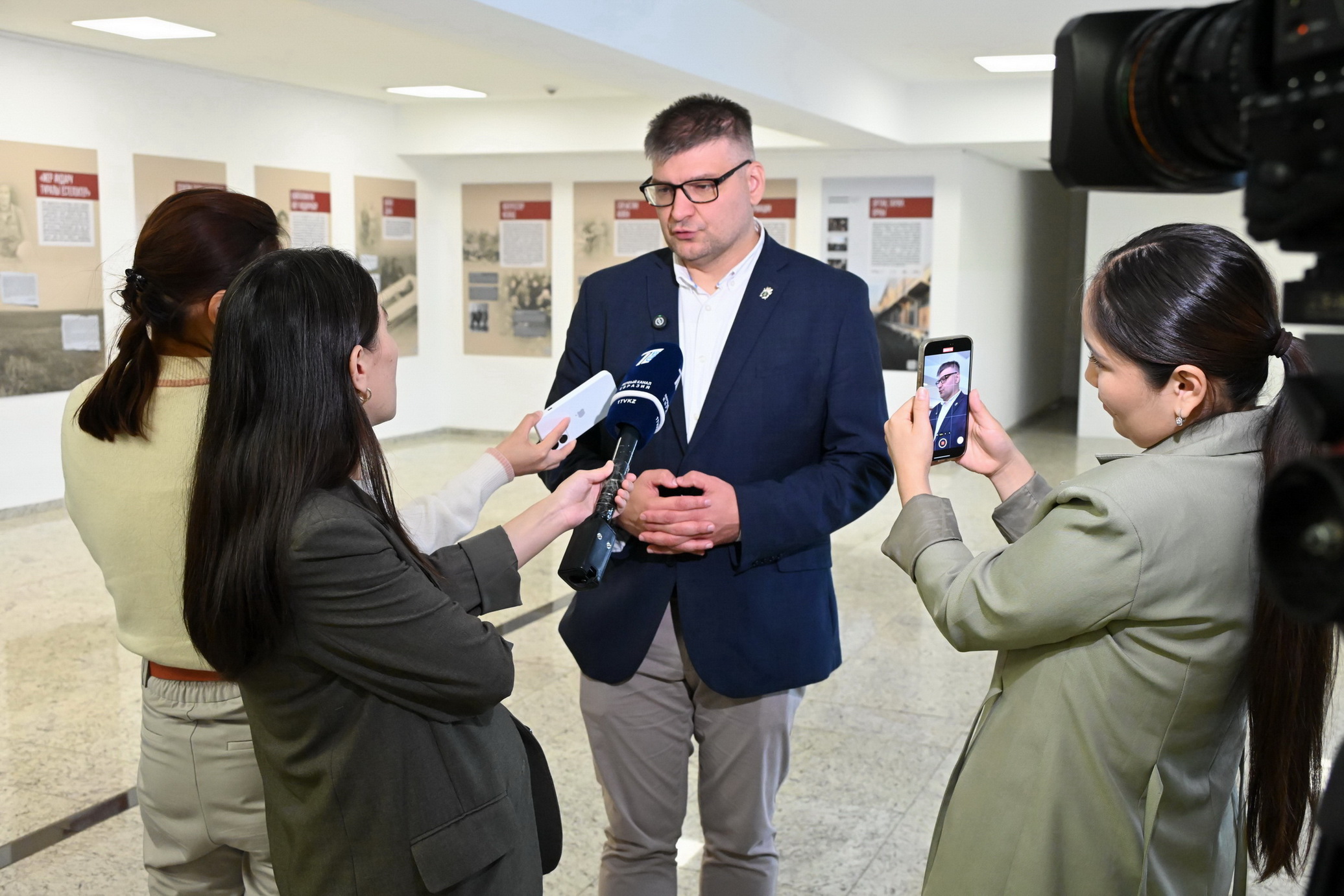
In addition, a small exhibition entitled «Exiled to the steppe: The Fates of Polish Exiles and their families in Kazakhstan» was presented as part of the round table.
During the opening ceremony, Michał Łabenda, Chargé d’Affaires of the Republic of Poland in Kazakhstan, spoke about the history of the deportation of Poles to Kazakhstan.
«There is another aspect of this tragic history that we particularly value: the assistance provided by the Kazakh people to those who were deported. Kazakh families, who had themselves experienced famine and repression, shared what little they had with those who arrived. They provided food, clothing, shelter and support. This solidarity holds an important place in the historical memory of the Polish people. Preserving the memory of our shared history together brings our peoples even closer», the diplomat said.
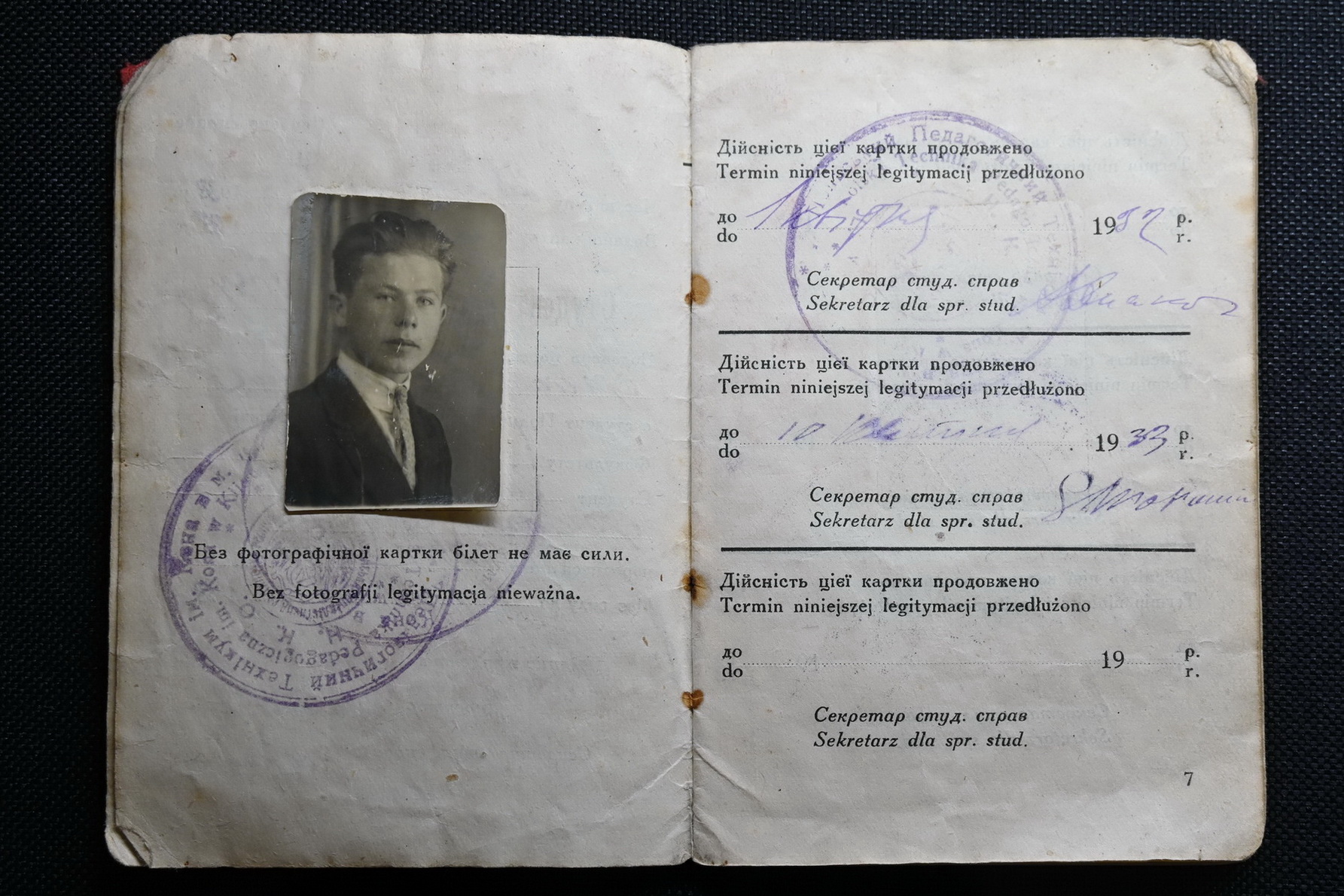
The exhibition features personal and genealogical documents of deported Poles, memoirs, written records, photographs, and certificates documenting the rehabilitation of victims of political repression. The exhibition will remain open until 20 September.
The event was jointly organized by the Embassy of the Republic of Poland in Astana, the National Museum, the Museum of the Second World War, the Museum of Siberian Memory, and the Sh. Ualikhanov Institute of History and Ethnology.